
SUSHEAS Consortium Meeting Successfully Held to Review Project Progress and Future Activities
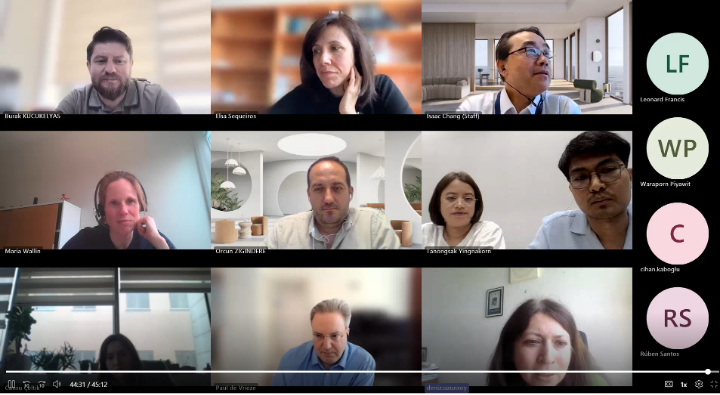
The SUSHEAS consortium convened online on 22 May 2026 to review the overall progress of the project, evaluate technical work packages, and coordinate upcoming activities related to sustainable high-entropy alloy (HEA) development from recycled metal resources.
Chaired by Prof. Dr. Deniz Uzunsoy (BTU), the meeting brought together consortium partners from academia, research institutions, and industry to discuss technical developments, secondment planning, dissemination activities, workshops, and project coordination.
Progress in WP1 and Transition to WP2
During the meeting, partners reviewed the progress achieved within Work Package 1 (WP1), focusing on waste stream management and metal recovery strategies. Initial scrap classification activities, including the on-site visit to SAGLAM Metal, were successfully completed, while preliminary evaluations on metal recycling and recovery pathways were carried out in collaboration with project partners.
The consortium also formally reviewed the launch of Work Package 2 (WP2), which will focus on the computational design and processing of high-entropy alloys (HEAs). Planned activities include:
- CALPHAD-based alloy design
- AI and machine learning-assisted HEA composition optimization
- Process simulation and advanced manufacturing route development
Partners emphasized the importance of close interaction between WP1 and WP2 to support data-driven alloy development using recovered metallic resources.
Mobility, Training, and Workshops
A major topic of discussion involved the planning of secondments and researcher mobility activities for the first reporting period (M1–M24). Preliminary mobility schedules were reviewed, and partners agreed to strengthen coordination to ensure efficient knowledge exchange across institutions.
The consortium also discussed upcoming training and networking activities. NTNU will host the first project workshop in August 2026, bringing together project partners for technical presentations and collaborative discussions. Additionally, SUT introduced preliminary plans for a workshop focused on metal recovery and recycling technologies, scheduled for later in the year.
Dissemination and Communication Activities
The meeting highlighted the successful launch of the SUSHEAS website and social media channels, marking an important milestone in project dissemination and communication efforts. Consortium members were encouraged to actively contribute scientific, technical, and outreach materials to enhance project visibility and stakeholder engagement.
Future dissemination activities will include scientific publications, conference participation, technical networking, and broader communication initiatives to maximize project impact.
Looking Ahead
The consortium reaffirmed its commitment to strengthening collaboration, improving technical data sharing, and maintaining regular communication between work package leaders and partners.
As SUSHEAS progresses, upcoming activities will focus on the advancement of AI-assisted alloy design, workshop implementation, secondments, and the continued development of sustainable approaches for transforming recycled metals into next-generation high-entropy alloys.